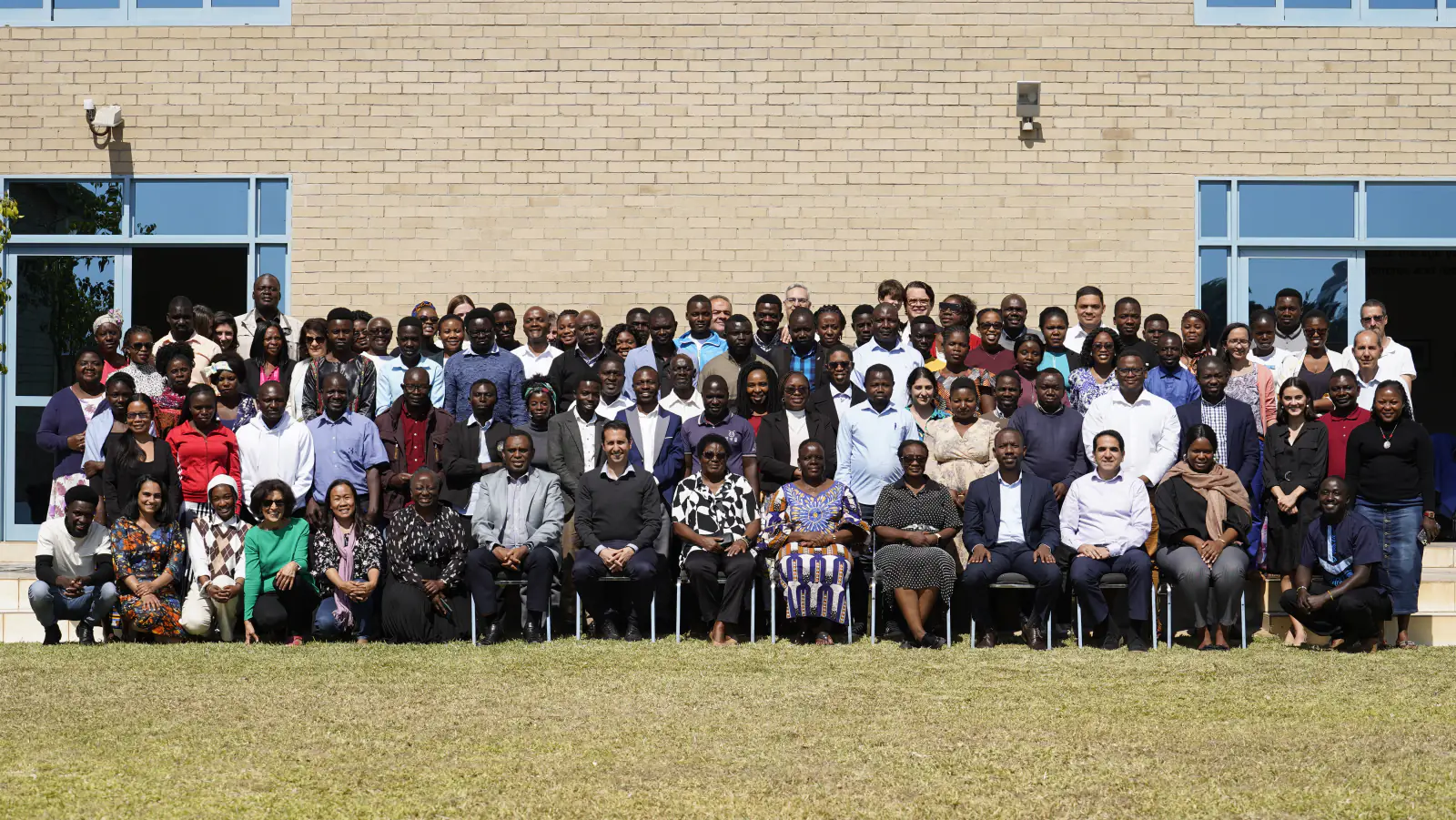
Unity of humanity is one of the central teachings of the Bahá’í Faith. The Bahá’í teachings state that since all humans have been created in the image of God, God does not make any distinction between people regardless of race or colour. Thus, because all humans have been created equal, they are entitled to equal opportunities and treatment. The Bahá’í vision regarding the unity of humanity means that people should work together and love their fellow human beings as themselves. The teaching, however, does not equate unity with uniformity but values the rich diversity found in the principle of unity in diversity where the variety in the human race is valued.
One of the central and most profound teachings of the Bahá’í Faith is the Oneness of Humanity. It is not just a spiritual ideal but a practical foundation for social transformation, peacebuilding, and global unity. According to the Bahá’í teachings, all human beings are created equal in the sight of God, regardless of race, nationality, ethnicity, gender, or class. This principle serves as a cornerstone for the Bahá’í approach to community building and global citizenship.
Spiritual Foundation of Oneness
The Bahá’í Writings affirm that humanity is one family, and all people are the fruits of one tree and the leaves of one branch. Bahá’u’lláh, the Founder of the Bahá’í Faith, emphasized that the earth is but one country and mankind its citizens. This means that all forms of prejudice must be eliminated and every individual should be treated with dignity and respect, regardless of nationality, ethnicity, religion, or social status.
Abolition of Prejudice
To realize the oneness of humanity, the Bahá’í Faith calls for the elimination of all forms of prejudice—whether racial, religious, nationalistic, or gender-based. Prejudice is seen as a destructive force that undermines unity and hinders human progress. In practice, Bahá’ís strive to create inclusive communities where diversity is embraced and everyone is treated with dignity and respect. This commitment is evident in the way communities work together, welcoming people of all backgrounds and working together to serve society.
Unity in Diversity
The Bahá’í concept of unity does not imply uniformity. Rather, it celebrates “unity in diversity.” Just as a beautiful garden is made up of different flowers, the human race draws strength and beauty from its variety of cultures, languages, and traditions. The Bahá’í Faith teaches that this diversity should not be a cause for division but a source of mutual learning and enrichment. Unity in diversity means working together in harmony while maintaining one's unique identity.
Global Implications
The principle of the oneness of humanity has far-reaching implications for global governance, economics, education, and human rights. It challenges systems that promote inequality and exploitation, calling instead for global cooperation and justice. The Bahá’í vision includes the establishment of a world federation, the equal participation of women and men, and the eradication of poverty and racism. These goals are rooted in the belief that the world must be organized in a way that reflects our essential unity as one human family.